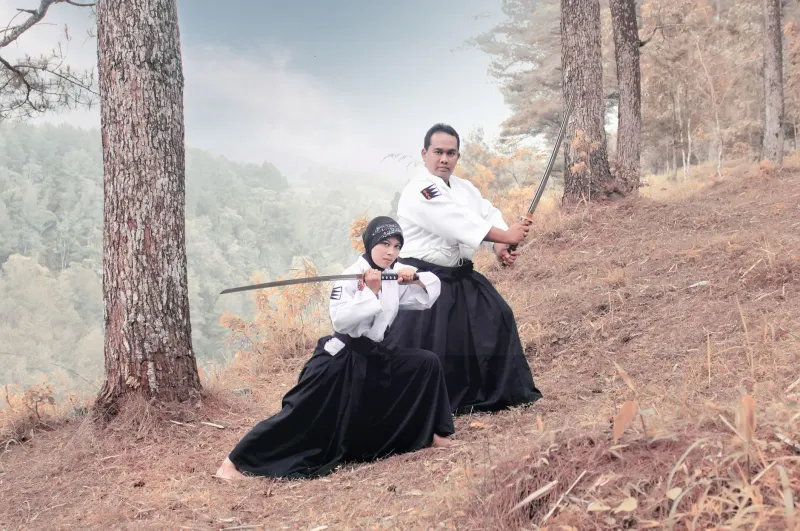
Behind the Walls, a Warrior Is Born: How Bushido-Based Programs Are Rewriting the Story of Incarcerated Americans
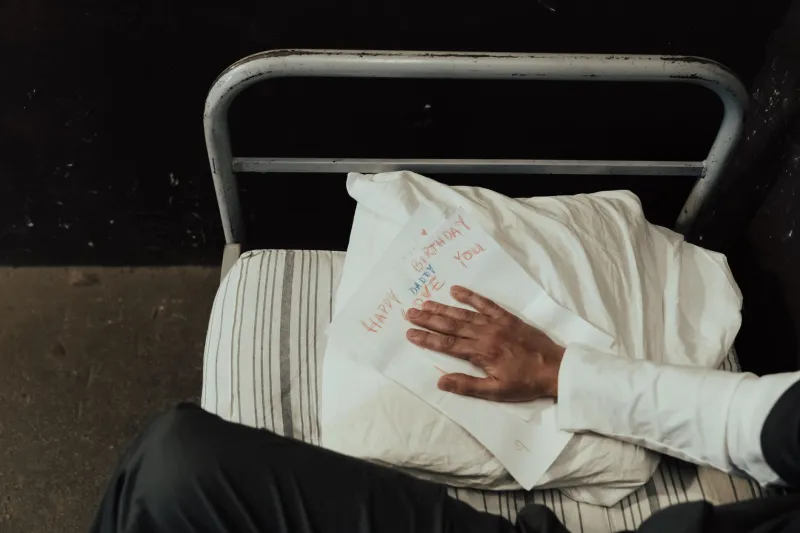
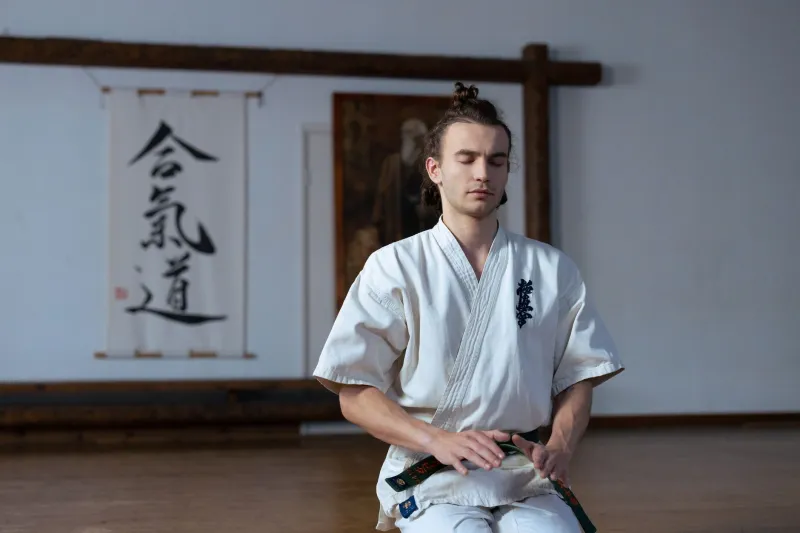
There is a moment, instructors who volunteer inside correctional facilities often describe, when something shifts in a participant. It is not dramatic. There is no cinematic breakthrough. It is quieter than that — a man standing straighter during a bow, a woman holding eye contact during a respectful greeting, someone choosing stillness when every instinct tells them to react. That moment, subtle as it appears, is the beginning of something the ancient samurai would have recognized immediately: the cultivation of self-mastery.
Across the United States, a growing number of correctional facilities are piloting structured martial arts and bushido-philosophy programs inside their walls. From county jails in the rural South to state penitentiaries in the Midwest and rehabilitation centers on the West Coast, volunteer instructors and forward-thinking administrators are introducing incarcerated individuals to a framework of living that predates the modern prison system by centuries — and may, in fact, be more effective than many contemporary rehabilitation approaches.
The Code Before the Curriculum
To understand why bushido translates so powerfully inside correctional settings, one must first appreciate what the code actually demands of a practitioner. Bushido — the way of the warrior — is not simply a set of fighting techniques. It is a moral architecture. Its seven classical virtues — righteousness, courage, benevolence, respect, honesty, honor, and loyalty — function as a comprehensive guide for how a person conducts themselves in every domain of life, not merely in combat.
For individuals whose prior environments offered few models of principled living, this structure carries enormous weight. Many participants in these programs describe never having encountered a system that simultaneously demanded accountability and offered dignity. The warrior's path, as it is taught in these facilities, does both. It holds practitioners to exacting standards while affirming that they are capable of meeting those standards — a combination that conventional correctional programming frequently fails to achieve.
Instructors Crossing the Threshold
The people delivering these programs are not government contractors or salaried program managers. They are, in the overwhelming majority of cases, martial artists who volunteer their time — often driving hours each week to enter facilities that most Americans go out of their way to avoid.
Take the example of programs modeled after initiatives like the Prison Yoga Project or the various karate and judo curricula offered through community dojo outreach efforts in states like Texas, Ohio, and California. The instructors behind these efforts speak with remarkable consistency about their motivations. They did not enter correctional facilities to fix broken people. They entered to share a practice that had transformed their own lives, trusting that the practice itself would do the work.
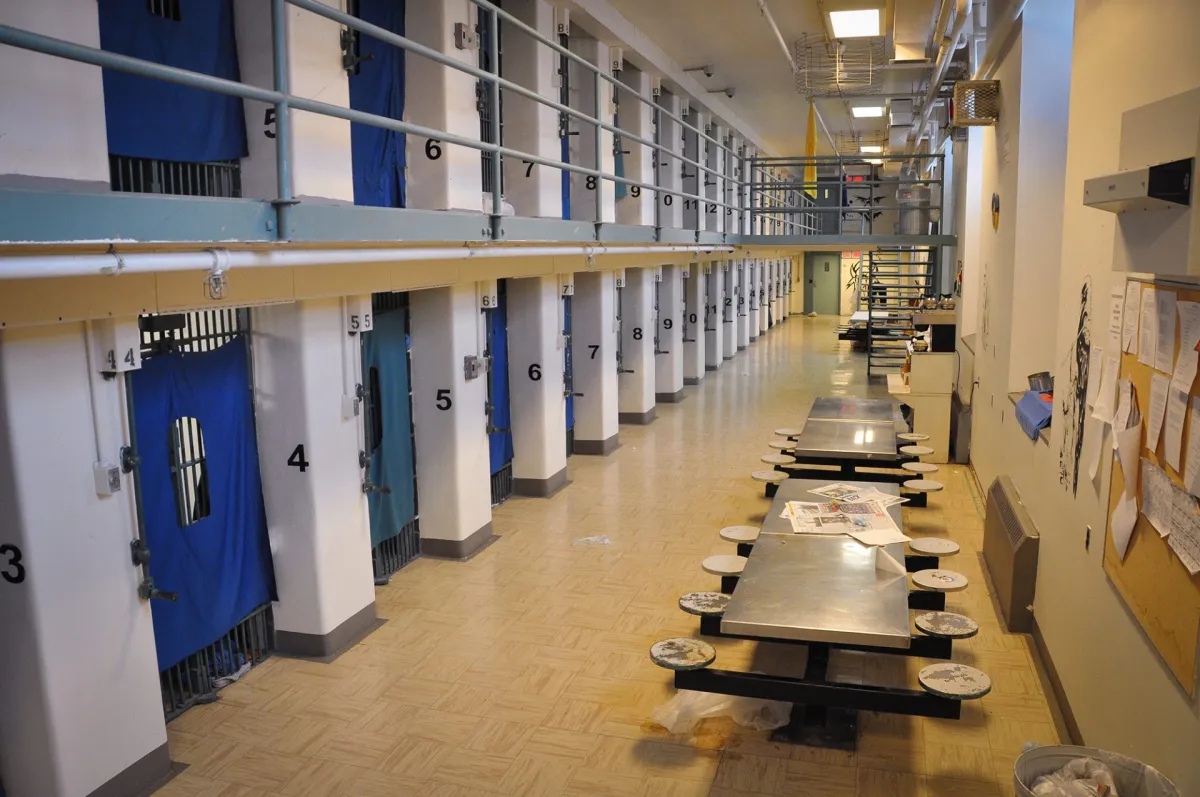 Photo: Prison Yoga Project, via theprisondirect.com
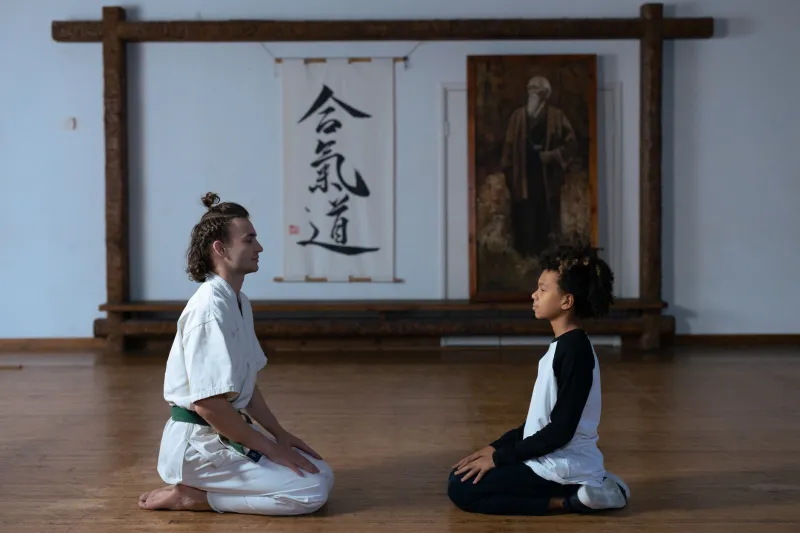
What they report finding inside is not what popular culture might suggest. They describe participants who are disciplined, hungry to learn, and deeply responsive to being treated with the same respect that martial arts traditions demand between teacher and student. The formal bow at the beginning and end of each session — a gesture that might seem ceremonial to an outside observer — carries profound practical meaning in an environment where mutual respect is rarely formalized.
What the Data Is Beginning to Show
Anecdote alone does not drive policy, and proponents of these programs are increasingly able to point to emerging data that supports their case. Studies examining martial arts and mindfulness-integrated rehabilitation programs have consistently noted reductions in disciplinary incidents among participants during the program period. More significantly, preliminary recidivism data from facilities with sustained martial arts programming suggests that participants return to incarceration at lower rates than the general population of released individuals.
The Lionheart Foundation, the Art of Yoga Project, and various university-partnered research initiatives have documented similar patterns across disciplines — whether the framework is yoga, meditation, or martial arts, the common thread appears to be the internalization of a personal code. When individuals leave a facility carrying not just a release date but a set of principles they have practiced embodying, the transition back into society appears measurably different.
 Photo: Art of Yoga Project, via s.studiobinder.com
It would be premature to claim that bushido-based programs represent a wholesale solution to incarceration's complex failures. The challenges of reentry — housing instability, limited employment prospects, fractured family relationships — remain formidable and require systemic responses. But what these programs appear to offer is something that systemic responses alone cannot: an internal compass.
Identity Beyond the Record
Perhaps the most significant transformation these programs facilitate is one that cannot be captured in recidivism statistics. It is the question of identity.
For many incarcerated individuals, the label of their offense becomes, over time, the totality of how they understand themselves. The correctional system, despite its stated rehabilitative aims, often reinforces this collapse of identity — reducing complex human beings to case numbers, sentence lengths, and security classifications. Martial arts practice, by contrast, demands that a practitioner develop a self that is larger than any single act or circumstance.
The warrior tradition, as it is transmitted through serious martial arts instruction, is fundamentally concerned with character formation. A student of bushido is not defined by their failures; they are defined by how they respond to failure — whether they return to their training, recommit to their principles, and continue walking the path. For individuals who have been told, implicitly or explicitly, that their past defines their future, this reframing is not merely philosophical. It is, for many, the first credible alternative to the narrative that brought them to incarceration in the first place.
Instructors consistently report that participants speak of the training in terms of belonging — not to a gang or a faction, but to a tradition. They are students of something ancient and honorable. That sense of membership in a lineage of disciplined, purposeful human beings is a form of identity that criminal history cannot erase.
The Road Forward
For these programs to fulfill their potential, several things must happen. Correctional administrators must be willing to allocate consistent time and space for training — not as a privilege to be revoked at the first administrative inconvenience, but as a recognized component of the rehabilitation mission. Volunteer instructors need institutional support, including streamlined access processes and basic resources. And the broader martial arts community in America must recognize that the dojo does not end at its front door.
Hanzo's teachings remind us that the way of the warrior is not confined to those born into favorable circumstances. The sword does not ask about a man's origins before it teaches him discipline. The path is open to those willing to walk it, regardless of where they are standing when they first encounter it.
Inside correctional facilities across this country, men and women are bowing at the beginning of class, learning to breathe before they react, and practicing the radical discipline of meeting difficulty with composure rather than aggression. They are, in the truest sense, beginning to master themselves.
That is where every warrior's journey starts — not in victory, but in the decision to begin.