She Trains, She Leads: How American Women Are Rewriting the Warrior Narrative at the Dojo
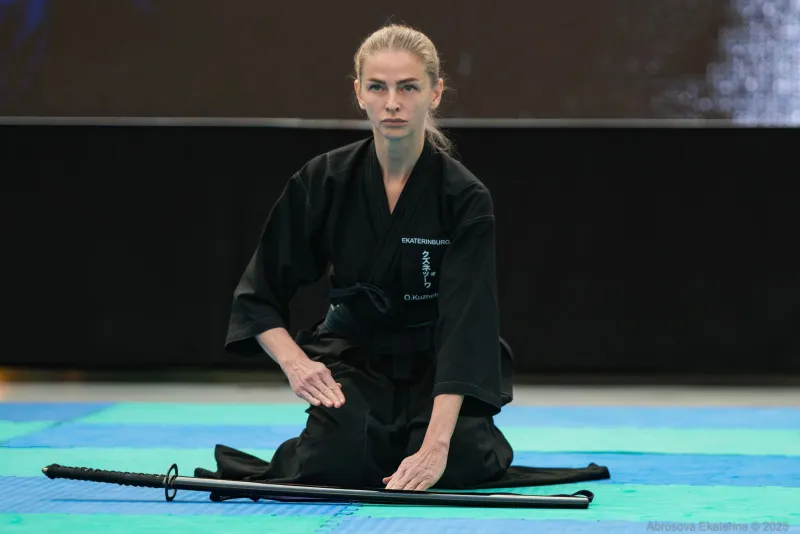
Something significant is happening on the training floors of American dojos, and it has little to do with the men who once defined them. Women — energized by powerful female archetypes in Japanese animation and manga — are enrolling in traditional martial disciplines at unprecedented rates, reshaping not only who trains but how entire schools operate. The warrior path, long assumed to belong to one gender, is being reclaimed.
A Demographic Shift the Numbers Cannot Ignore
The Sports & Fitness Industry Association reported in its most recent Physical Activity Council study that participation among women in martial arts-adjacent disciplines grew by nearly 20 percent over a recent five-year span — outpacing male enrollment growth across several traditional categories. Archery, kendo, aikido, and iaido have all recorded notable upticks in female participation, particularly among women aged 18 to 35. Dojo owners from Portland, Oregon, to Nashville, Tennessee, describe a waiting list phenomenon they had not anticipated even a decade ago, and the majority of those waiting are women.
 Photo: Portland, Oregon, via www.apartmentguide.com
This is not coincidence. It is convergence.
The Anime Effect — and Why It Goes Deeper Than Entertainment
Ask many of these new practitioners what initially sparked their interest and you will frequently hear a title: Demon Slayer, Sword Art Online, Vinland Saga, or the ever-present influence of Naruto. Characters like Mitsuri Kanroji and Shinobu Kocho from Demon Slayer — women who wield blades with technical mastery and emotional depth — have given a generation of American women a new kind of hero to study, not merely admire.
But instructors are quick to point out that popular culture opens the door; the discipline itself keeps people inside.
"They come in curious," says a kendo instructor who runs a school in Austin, Texas, with a student body that is now more than 55 percent female. "They stay because they find something they did not expect — a rigorous system that rewards patience and intelligence over raw physical dominance. That resonates with a lot of women who have spent their lives being told to make themselves smaller."
The distinction matters. Anime may be the catalyst, but what these women are discovering once they pick up a bokken or draw their first arrow is a centuries-old philosophical tradition that does not inherently privilege size or aggression. That revelation changes people.
Profiles in Practice: Women Finding Themselves on the Training Floor
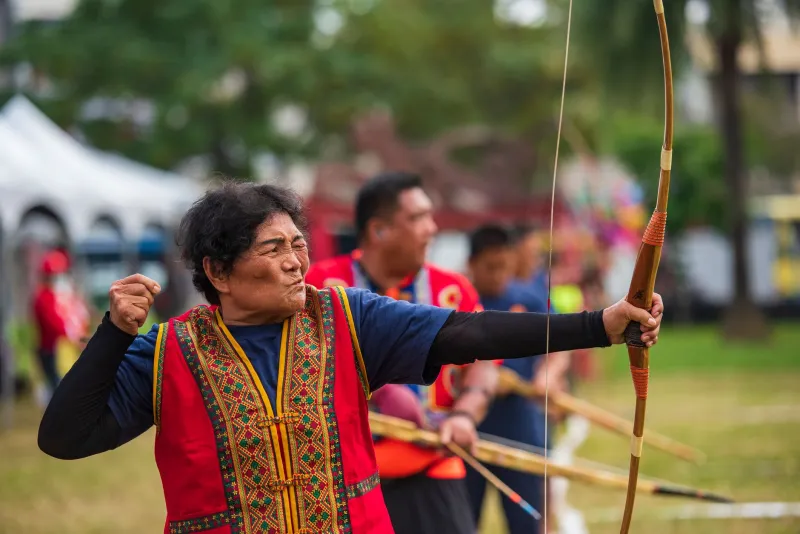
In Columbus, Ohio, a 34-year-old nurse named Denise began studying kyudo — the Japanese art of ceremonial archery — after watching a documentary on Zen practice. She had never considered herself athletic. Two years later, she serves as an assistant instructor and credits the discipline with fundamentally altering her relationship with stress and professional burnout. "There is no room in kyudo for the noise of the day," she explains. "You learn to be present or the arrow tells you immediately that you were not."
In Denver, Colorado, a group of women who met in a weekend aikido seminar formed what they call a "study circle" — meeting outside of formal class hours to discuss the philosophical dimensions of Budo alongside their physical training. Their group has since grown to fourteen members and has attracted the attention of their sensei, who now incorporates structured philosophical discussion into the school's broader curriculum.
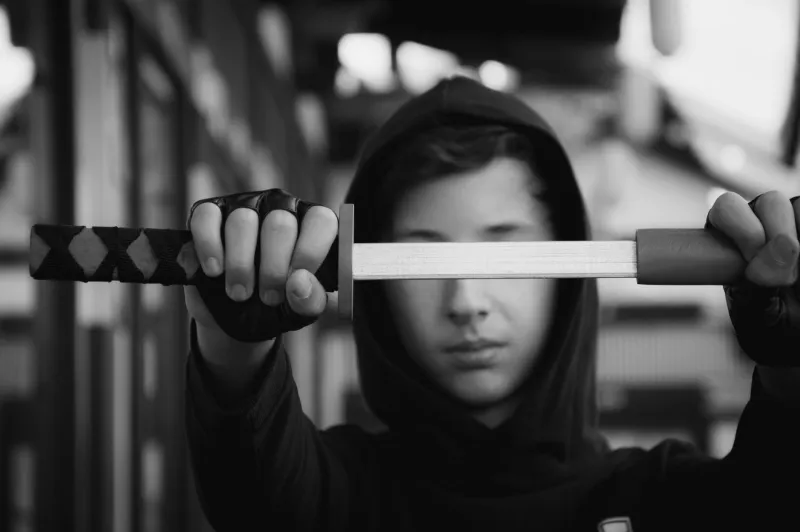
In rural Georgia, a 19-year-old named Priya — who arrived at her first kenjutsu class wearing a hoodie from her favorite anime series — is now preparing for her first formal examination. Her instructor describes her as among the most dedicated students the school has ever produced.
These are not outliers. They are representative of a generation.
How Instructors Are Adapting — and Why Some Are Rethinking Everything
The influx of female students has prompted meaningful curriculum conversations in dojos across the country. Some schools have introduced women-only beginner sessions, not to segregate the training experience but to reduce the social friction that can discourage first-time practitioners from returning. Others have revised the language of their promotional materials, moving away from imagery that historically centered male practitioners.
More substantively, experienced instructors report that diverse classrooms have improved the quality of instruction overall. "When you have to explain a technique to someone who approaches it differently than the student you assumed you were teaching, you understand the technique better yourself," noted one aikido sensei in a recent practitioner forum. "My teaching has become more precise because my students ask different questions."
The philosophical foundations of Japanese martial arts — disciplines that have always emphasized mental cultivation as equal to physical development — translate across gender without modification. The concepts of zanshin (sustained awareness), mushin (the uncluttered mind), and ma (the meaningful interval) require no adaptation. They are, in the most literal sense, universal.
Challenging the Stereotype, Honoring the Tradition
It would be reductive to suggest that Japanese martial tradition was ever entirely male in its deepest values. The onna-bugeisha — female warriors of feudal Japan — trained in naginata and other weapons and defended their homes with documented ferocity. Women like Tomoe Gozen and Nakano Takeko are historical figures, not mythology. What American dojos are experiencing today is not a disruption of tradition but a restoration of a dimension of it that popular Western imagination chose to overlook.
 Photo: Nakano Takeko, via www.constructioncivilengineering.com
HanzoEdu has long held that the warrior path is defined by commitment, curiosity, and character — not by the demographics of those who walk it. The women currently transforming American martial arts enrollment are not arriving as guests in someone else's tradition. They are arriving as practitioners, and the tradition is welcoming them with the same demanding, clarifying rigor it has always offered.
The dojo floor does not care about your gender. It cares only about your presence.
What This Means for the Future of American Martial Arts
If current enrollment trends continue — and there is little structural reason to believe they will reverse — the American martial arts community of the next decade will look markedly different from the one that preceded it. Schools that adapt thoughtfully stand to grow. Disciplines that communicate their philosophical depth, rather than leading with intimidation, will attract the students who train longest and contribute most to the community.
The women leading this renaissance are not asking martial arts to become something else. They are asking it to be fully what it has always claimed to be: a path open to anyone willing to commit to the work.
That, by any measure, is a worthy challenge — and one the tradition is more than equipped to meet.