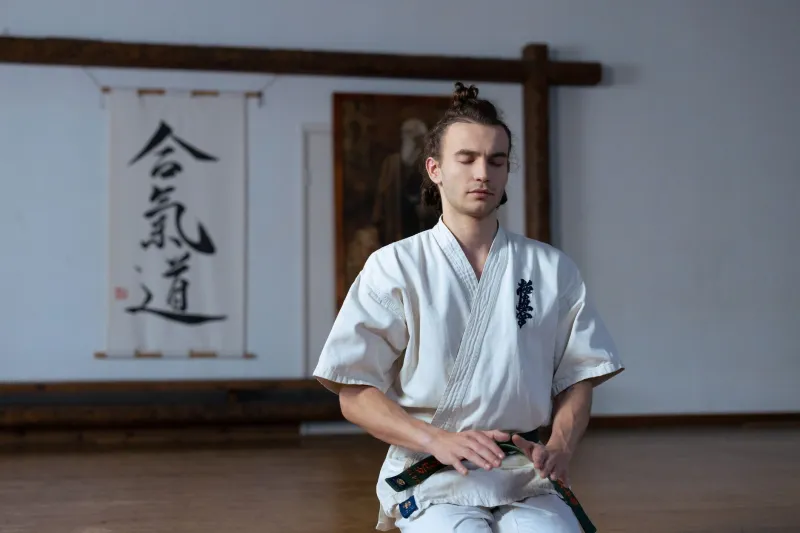
Sacred Ground at Home: How to Build a Warrior's Training Space That Honors the Art — on Any Budget
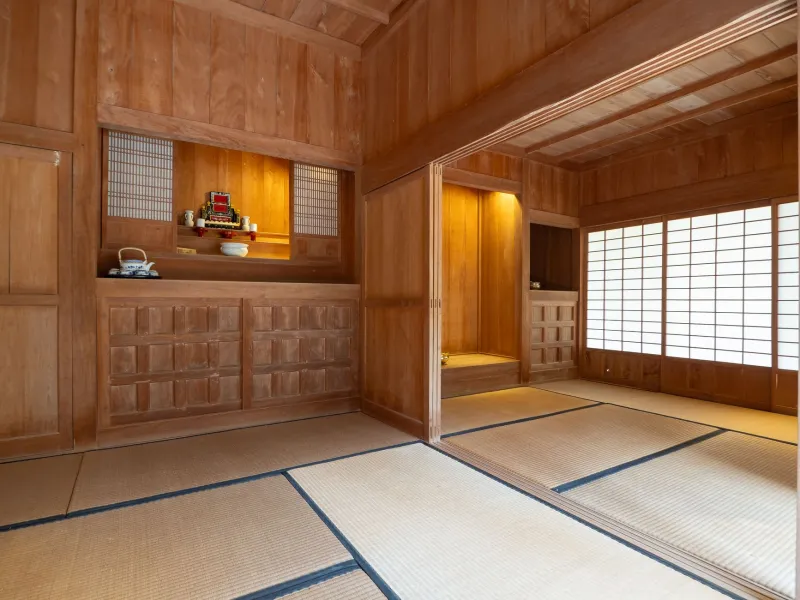
Sacred Ground at Home: How to Build a Warrior's Training Space That Honors the Art — on Any Budget
There is a principle embedded deeply in Japanese aesthetic philosophy that has no precise English equivalent: ma. Often translated as "negative space" or "pause," ma refers to something more nuanced — the intentional, meaningful emptiness that gives form to everything surrounding it. In traditional Japanese architecture, a room is not merely a container for furniture and activity. It is a relationship between presence and absence, between what is placed and what is deliberately left open. A dojo — a place of the way — is perhaps the purest expression of this principle in physical form.
For the growing number of Americans who have committed to martial arts, mindfulness, or warrior-inspired personal development, the question of where to practice is not trivial. A dedicated training space is not a luxury. It is, in the Hanzo tradition, an extension of the discipline itself. The act of creating and maintaining such a space is a practice in its own right — one that begins before you ever throw a punch, draw a breath, or draw a blade.
This guide is designed to help American practitioners at every financial level build a home training environment that is functional, philosophically grounded, and genuinely theirs. Whether you are working with a corner of a studio apartment or an empty two-car garage in the suburbs of Nashville, the principles remain the same. Only the scale changes.
Before You Buy Anything: The Philosophy of Intentional Space
The most expensive mistake a new home dojo builder can make is to begin with a shopping cart rather than a concept. In traditional Japanese training culture, a space earns its character through use and intention, not through the accumulation of equipment. Before purchasing a single item, spend time with the following questions.
What discipline or disciplines will this space serve? A practitioner focused on iaido — the art of drawing and cutting with a Japanese sword — requires very different spatial considerations than someone training in grappling arts or seated meditation. Clarity about your primary practice will prevent costly and cluttered missteps.
What does this space need to feel like? The emotional and psychological quality of a training environment matters enormously. A space that feels chaotic or provisional will subtly undermine your commitment. A space that feels purposeful and clean — even if modest — will draw you back to it consistently.
How much floor area can you genuinely dedicate? In the spirit of ma, an honest assessment of available space is more valuable than an optimistic one. A well-configured eight-by-eight-foot area is more useful than a cluttered twelve-by-twelve.
Tier One: The Apartment Practitioner ($200 or Under)
For urban Americans living in apartments, condominiums, or small homes, a full dojo conversion is not a realistic option. That does not mean a meaningful training space is out of reach. With a budget of approximately $150 to $200, it is possible to create a dedicated corner that communicates clear intention and supports genuine practice.
Flooring: The single most important investment at this tier is a set of interlocking foam puzzle mats. High-density EVA foam tiles, available through retailers such as Amazon, Home Depot, or specialty martial arts suppliers like Century Martial Arts, typically run between $1.50 and $2.50 per square foot. A 6-by-6-foot area can be covered for under $60. Choose mats in neutral tones — black, gray, or dark blue — rather than the brightly colored children's versions, which undermine the aesthetic seriousness of the space.
 Photo: Home Depot, via static.startuptalky.com
Defining the Space: Use a simple room divider, a hanging curtain rod, or even a low bookshelf to create a visual boundary between your training area and the rest of your living space. This physical delineation is not merely decorative. It reinforces the psychological transition from ordinary time into training time — a shift that Japanese martial culture treats as significant and deliberate.
Wall Presence: A single framed piece of Japanese calligraphy, a small wooden plaque bearing a relevant kanji character (such as bushido, mushin, or kokoro), or a minimalist print of a traditional ink painting is sufficient. Resist the temptation to over-decorate. In the spirit of ma, one meaningful object on a wall is more powerful than five competing ones.
Essential Equipment: At this budget tier, your body is your primary tool. A quality yoga mat for floor-based practice, a resistance band set, and a single kettlebell will serve most practitioners well. Total cost for these items typically falls between $60 and $90.
Tier Two: The Dedicated Room ($500–$1,500)
For practitioners who have access to a spare bedroom, a finished basement area, or a large living room that can be partially repurposed, the mid-range budget opens meaningful possibilities.
Flooring Upgrade: At this tier, consider replacing foam puzzle mats with higher-quality interlocking rubber flooring or a roll-out tatami-style mat. Traditional tatami — the woven rush grass mats central to Japanese dojo aesthetics — is available through specialty importers and typically costs between $80 and $150 per mat. Even two or three tatami panels used as a central training surface, surrounded by rubber flooring, create a striking and authentic environment.
Training Equipment: A freestanding heavy bag, a wall-mounted pull-up bar, and a wooden training sword (bokken) or jo staff are practical additions at this level. A wall-mounted mirror along one full side of the space is invaluable for practitioners working on form, kata, or weapons technique.
Aesthetic Depth: This is the tier at which a small tokonoma — a traditional Japanese alcove display — becomes worth considering. It need not be architecturally built-in. A low wooden shelf or recessed bookcase can serve the function. Within this space, place objects of genuine meaning: a small bonsai, a polished stone, a single seasonal flower in a simple vase. Rotate these items periodically. The tokonoma is meant to reflect the present moment, not to become a static display.
Lighting: Harsh overhead fluorescent lighting is antithetical to the spirit of a training space. Warm-toned bulbs, paper lantern fixtures, or dimmable LED strips along the baseboards create an environment that signals to the nervous system that this is a different kind of space — one that demands a different quality of attention.
Tier Three: The Garage Dojo ($2,000–$5,000+)
A detached or attached garage represents the closest most American homeowners will come to a genuine dojo conversion. The structural advantages — high ceilings, concrete floors, independent ventilation, and separation from the main living space — make garages ideal for serious training environments.
Flooring: At this level, a professional-grade rubber floor covering the entire space is the appropriate investment. Companies such as Rubber Flooring Inc. offer commercial-quality rolls and tiles designed for martial arts and CrossFit facilities. Budget approximately $3 to $5 per square foot for mid-grade options. A standard two-car garage of roughly 400 square feet can be floored for $1,200 to $2,000.
Structural Additions: Ceiling-mounted pull-up rigs, wall-mounted weapon racks, and a dedicated mirror wall are all feasible at this budget. A small kamiza — the head of the dojo, traditionally the direction toward which practitioners bow — can be formally established with a wall-mounted shelf bearing a meaningful object, a framed piece of calligraphy, and perhaps a small potted plant.
Climate and Acoustics: Insulate the garage door and walls if possible, and invest in a portable heater or window AC unit depending on your climate. Acoustic foam panels serve dual purposes: they dampen sound for neighbors and create a more focused acoustic environment within the space.
The Space as Teacher
Regardless of your budget tier, the most important design principle to carry forward is this: your training space should demand something of you. It should not be merely convenient. It should be worthy of the practice it is meant to house.
In the Hanzo tradition, the dojo is not simply a room. It is a commitment made physical — a daily reminder that the warrior's path is not a casual pursuit. When you enter your training space, even if that space is a corner of a small apartment, you cross a threshold. The quality of your attention changes. The ordinary world recedes.
That transformation is the true purpose of the home dojo. The equipment matters far less than the intention behind it. Build your space with care, maintain it with discipline, and let it teach you — as all worthy environments eventually do — something about the kind of practitioner you are becoming.